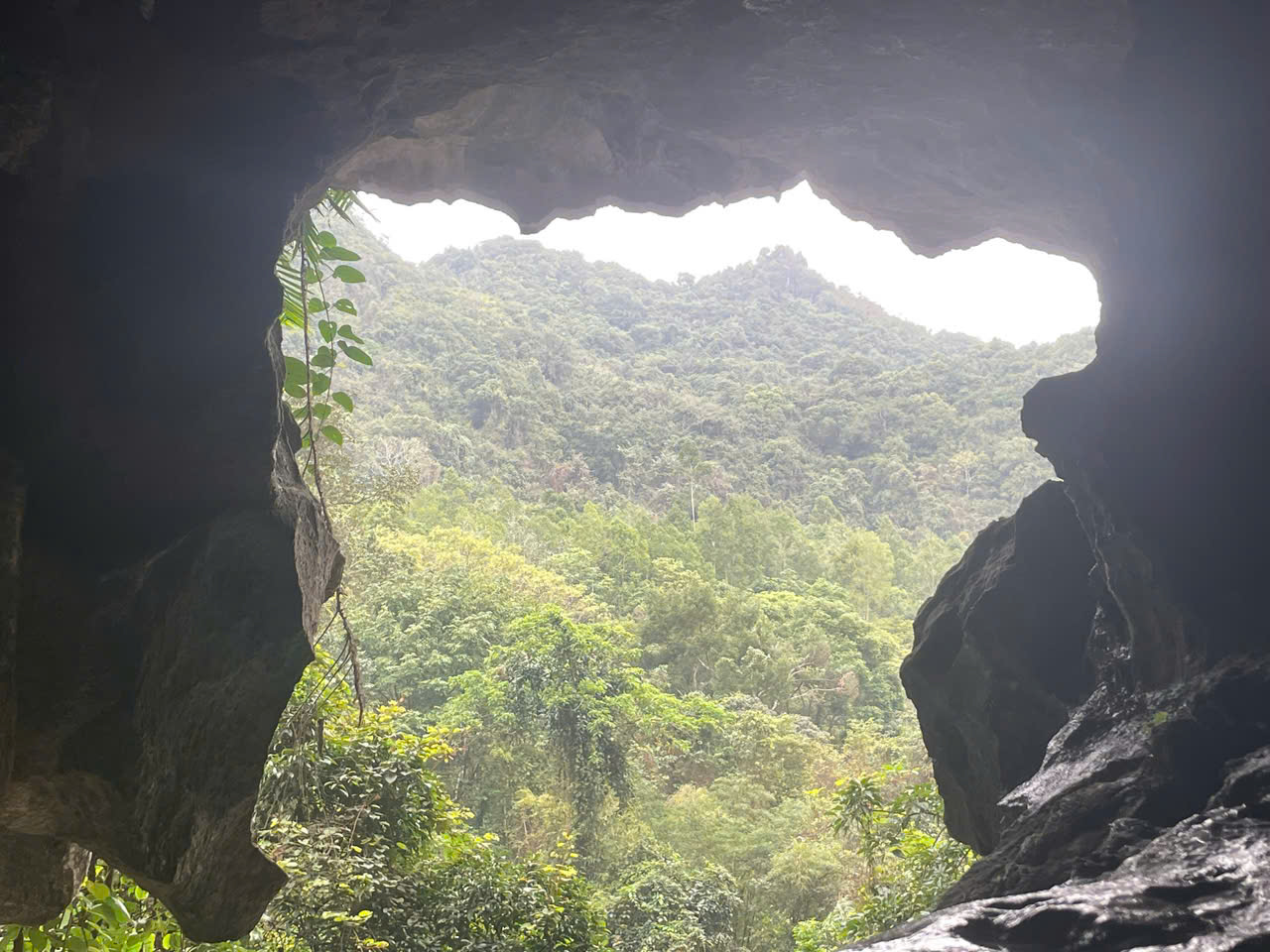
Cat Ba National Park is located on the largest island of the Cat Ba archipelago, 160km from Ha Noi. Cat Ba is distintive for its limestone mountain range with an average height of 150m above the sea level. The highest peak is Cao Vong at 322m. Adjacent to sloped mountains are white sand dunes, fresh water and brakish water ponds and mangrove forests. The weather is pleasant throughout the year, with an average temprature of 230C. Rainy season May-December; Dry season November-April.
Cat Ba National Park encompasses 9,800 ha of terrestrial forest and 5,400ha of marine habitat. The Park was established on 31 March 1986.
Flora
Tropical moist evergreen forest covers most of the Park’s area, with over 745 flora species belonging to over 123 families, including approximately 300 medicinal plant species. The richness of flora biodivesity here amazes newcomers; from precious endangered plants to ordinary ones; from hundreds year-old trees to moss, lichen and creepers, which at first sight could be terrifying pythons or snakes but could be amazing swings in the forest for visitors.
Cat Ba is home to many ornamental species due to its complex terrain. Bac Son palms and cycas florish on the high mountain peaks. There are also various plants throughout the rocky cliffs with strange roots fallig down, and myterious mistletoe living on tree trunks, which is always new to discover. Cat Ba National Park is well-known for its unique wetlands forest, occuring in the karst and harboring endemic species os Va Nuoc Salix tetrasperma. Mangroves are also an interesting destination to observe common mangrove species.
Fauna
Wildlife in Cat Ba National Park is plentiful with over 32 mammal species, 69 bird species and 20 reptile and amphibian species, including the Golden-headed Langur, which is found in Cat Ba but nowhere else in the world. Golden-headed Langurs live in small groups of 5-10 individuals on remote and quiet moutains beside the sea. Scientists must spend weeks in the forest to observe them. Serows also occur on the mountain cliffs near by the sea.
Hikers can enter the forest early in the morning-probably in a small group-this is the best time to feel the forest with eyes, ears and the whole body. Along the trails, squirrels, civets and monkeys can be seen. A patient hiker might even catch a glimpse of monitors, geckos, porcupines and various types of snakes along the trails.